
A major new strategy has been launched to help to address the decline of nature across North Yorkshire and York today (Friday, May 15).
The strategy is for everyone, from landowners, farmers and local business owners, to environmental charities, residents, and community groups.
Every county in England is required to produce a Local Nature Recovery Strategy as, in recent decades, there has been a decline in the health of the natural environment.
Despite some successes, the populations of most of our species have been in decline, mainly linked to the loss of the habitats they rely upon.
A launch event was held in York’s Priory Street Centre and was opened by ourselves, City of York Council, and the York and North Yorkshire Combined Authority.
Other representatives included North Yorkshire’s national parks and landscapes, the National Farmers' Union, Yorkshire Wildlife Trust, Natural England, and the North Yorkshire and York Local Nature Partnership.
The keynote speaker was Professor Sir John Lawton, author of Making Space for Nature, the 2010 independent review of England’s wildlife sites and the connections between them.
Executive member for managing our environment, Cllr Richard Foster, said: “Today marks an important step in our commitment to map nature and safeguard it for future generations.
“The strategy identifies priorities for nature recovery, such as increasing woodland cover or creating wetlands.
“It maps a network of nature-rich sites that are bigger and better managed, creating proposals for improving the region’s habitats and our wider environmental goals.”
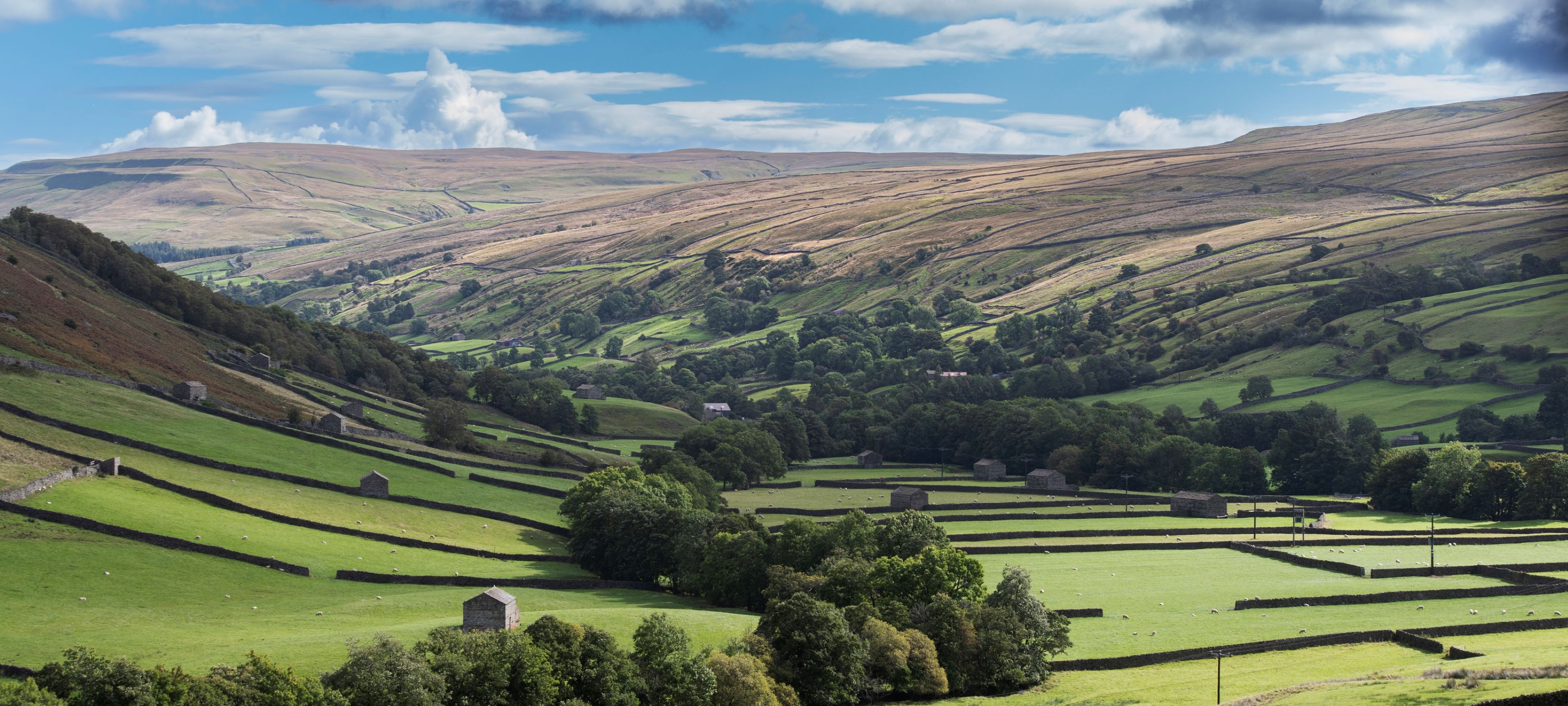
North Yorkshire and York support a diversity of landscapes and wildlife, from ancient woodland and chalk hills to large expanses of open moorland and historic parklands. The county is also home to five protected landscapes.
Taking action for nature recovery can also help to tackle climate change by capturing carbon from the atmosphere, protect us from natural hazards such as flooding, improve physical and mental health and help attract visitors and be a source of employment.
City of York Council’s executive member for environment and climate emergency, Cllr Jenny Kent, said: “It’s perfect timing that we’re launching our Local Nature Recovery Strategy following Sir David Attenborough’s 100th birthday celebrations.
“Thank you to everyone who has worked on this – a true partnership effort of York and North Yorkshire to restore and revive our natural spaces and wildlife.
“From planting a window box or encouraging wildlife in your garden to full scale peat, wood, river and moorland restoration, every one of us can help stitch nature’s corridors back together again.
“This is our patch, on our watch, and I’m confident that the people of York and North Yorkshire will rise to the challenge.”
As both ourselves and City of York Council share a common landscape and river network, the Government has asked both authorities to work together, in partnership with other organisations with a keen interest in nature recovery, to produce a strategy for North Yorkshire and York.
The Mayor of York and North Yorkshire, David Skaith, said: “Nature is what makes our region so special, and this strategy is a major step forward in safeguarding our landscapes for decades to come.
“By working with our farmers and landowners, we’re backing the generations of expertise that already exists in our communities.
“Together, we can help nature recover while making York and North Yorkshire more resilient to the effects of climate change.”
The chair of the National Farmers' Union Environment Forum, Richard Bramley, was a guest speaker at the launch event.
He is a full-time arable farmer of a 570-acre farm in Kelfield, near Selby, and has been collaborating with the non-profit Round Our Way to raise awareness of some of the impacts of climate change.
Since 2005, the farm has been part of the Entry Level Stewardship scheme, and a bird survey has been carried out with the RSPB.
About 10,000 mixed hedgerow plants and 2,000 mixed trees have been planted, and he has been increasing the area of winter cover crops by drilling a late sown wild birdseed mixture.
He said: “Local knowledge, support and resources are a key part of farmers understanding how to get the best from their patch and navigate the complexities of landscape management.
“It is hoped that the strategy will aid farmers and land managers as they build on often decades of work.”
The strategy has been produced following feedback from businesses, key organisations and groups, residents and local farmers and landowners, along with a number of face-to-face events and workshops to gather vital feedback.
Information and data on North Yorkshire’s habitats and species from a wide range of national and regional organisations and experts has also been invaluable for the creation of this strategy.