Hot weather this weekend
The weather is expected to be hot this weekend. Please look out for friends and family who may be more vulnerable in the heat and make sure you stay safe in and around water. Get more advice on our hot weather page.


Shoppers hunting for online bargains are being duped by sophisticated scam websites that convincingly pose as well known UK high street retailers, our trading standards officers have warned.
The fake sites often feature polished images of smiling customers and familiar-looking shopfronts in London and other UK towns and cities.
But behind the professional appearance lies AI generated imagery, overseas sellers and, for many victims, lost money and worthless goods.
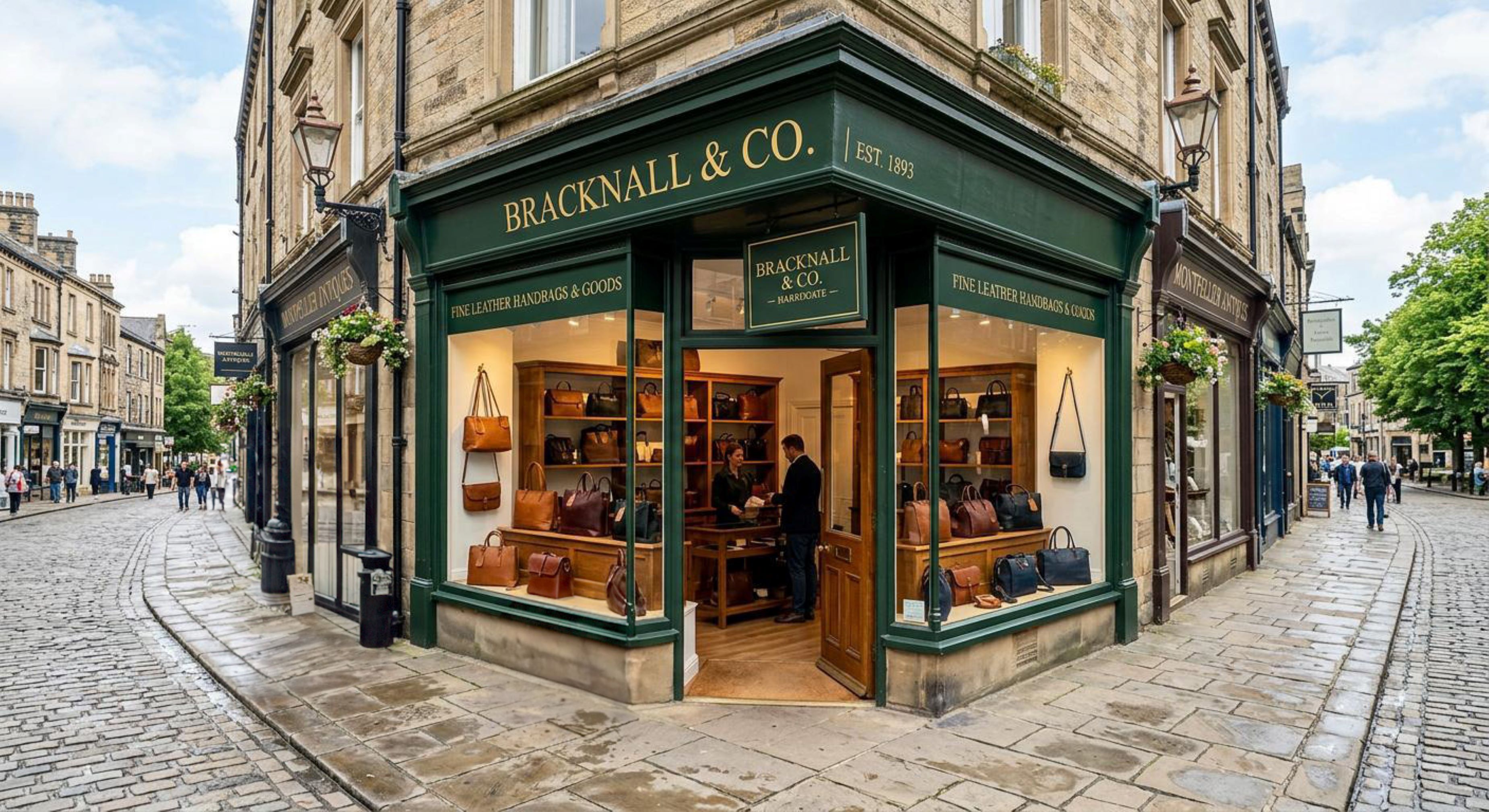
The above image is a typical example of an AI generated shop on a high street. In reality the shop does not exist.
Residents are being urged to carry out simple checks before clicking the ‘buy’ button:
Our trading standards officers have seen a growing number of complaints from residents who believed they were buying from legitimate UK businesses after seeing photographs of supposed physical shops and happy customers.
In reality, the images and website text are generated using artificial intelligence, and the goods are being sold by overseas traders - primarily based in China.
Trading standards officers are now receiving complaints from around 20 residents every month who thought they were buying from genuine UK businesses. Instead, many have either lost their money entirely or received poor quality, and potentially unsafe, goods.