
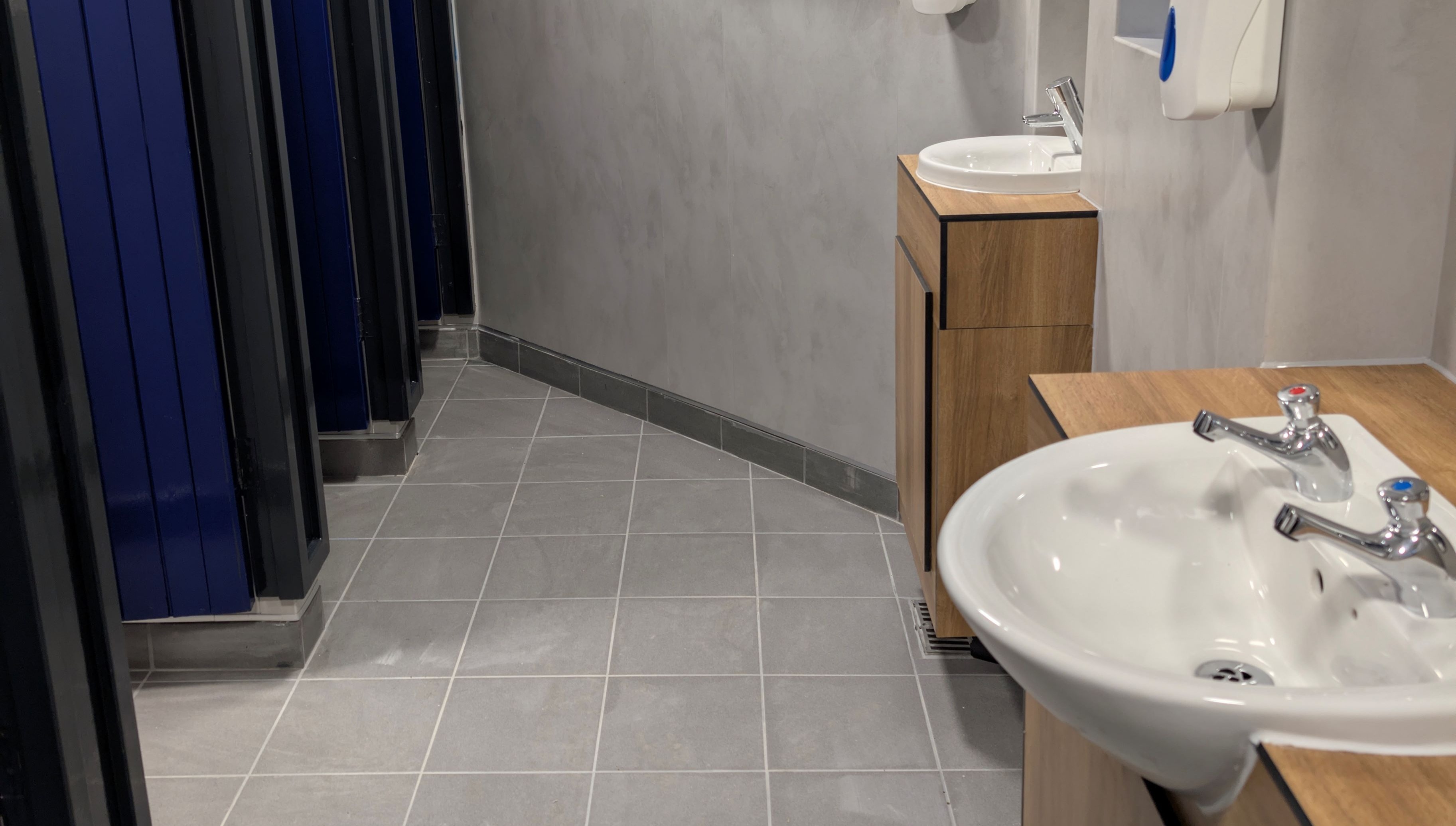
A comprehensive plan for the future operation of public toilets across North Yorkshire will deliver higher standards, improved reliability, and better value for money for residents and visitors, councillors will be told.
We operate more toilets than any other council in the UK and proposals have been drawn up to bring together the running of the 85 traditional toilets and eight specialised Changing Places facilities.
Currently, of the 93 public toilets across the county, 65 are free to use with 90 per cent of the service’s income coming from sites where fees have remained unchanged for almost two decades.
On Tuesday next week (February 3), members of our executive will consider the recommendations of a working group which has looked in detail at how the service could be delivered in coming years.
It is currently facing a recurring budget shortfall and a number of suggestions have been made to help address this.
Working on five principles; support for alternative delivery models, a consistent entry fee policy, a framework to review the network, integration with car park operations and a capital improvement programme, the working group suggests:
- Ensuring that by 2030 all sites are in a good or excellent condition
- Introducing an entry fee of either 40p or 50p across the county
- Increasing ticket prices across all off-street parking to fund the operation of toilets close to council-run car parks
- Exploring alternative funding streams, including honesty boxes, app-based donations, advertising, sponsorship, and community partnerships
- Considering the closing of sites which are in a poor condition, have low footfall and/or are near to other facilities
Our executive member for managing our environment, Cllr Richard Foster, who has responsibility for public conveniences, said: “While the provision of public toilets is a discretionary service rather than a statutory requirement, their importance to both those who live in North Yorkshire and those who come here to visit cannot be underestimated.
“That said, it is important they operate economically and that is why we are proposing introducing, among other aspects, a consistent entry fee across the county.
“I believe the recommendations, if approved, will lead to major improvements across the service and I would like to thank the working group for their hard work in this important area.”
Officers have previously consulted with elected members, Business Improvement Districts (BID), National Park authorities, disability action groups and parish and town councils on matters such as access for disabled users, which would continue to be free under the plans through the national RADAR key scheme, and the expansion of Changing Places facilities for users with profound needs.
Another key area is to gain support for services to be operated locally.
Cllr Foster said: “Since North Yorkshire Council was created, we’ve been keen to encourage and support more locally delivered services. We’ve already seen some great examples of parish and town councils running public toilets successfully across the county.
“One of our key aims is to offer help to any communities or councils who would like to take on this role, so that these important facilities can continue to be available for everyone.”
The working group has acknowledged the need for improvements to facilities and has suggested enhancements including water bottle refill stations, baby changing facilities and sanitary waste disposal options in male and female spaces, improved signage to promote visibility and environmental initiatives such as greywater recycling, renewable energy generation, and efficient energy use that support the council’s ambition to achieve net-zero carbon neutrality by 2030.
Cllr Foster said: “Improvements are already underway and visitors to Pickering, for example, will have seen the work that has been completed to the public conveniences at The Ropery.
“Work is also underway at Southlands in Pateley Bridge and is due to start soon in Malton. We are determined that we will have facilities that people can be proud of, and the work of the group will help bring that to fruition.”
Read the full report at item 5 on our executive meeting agenda.