
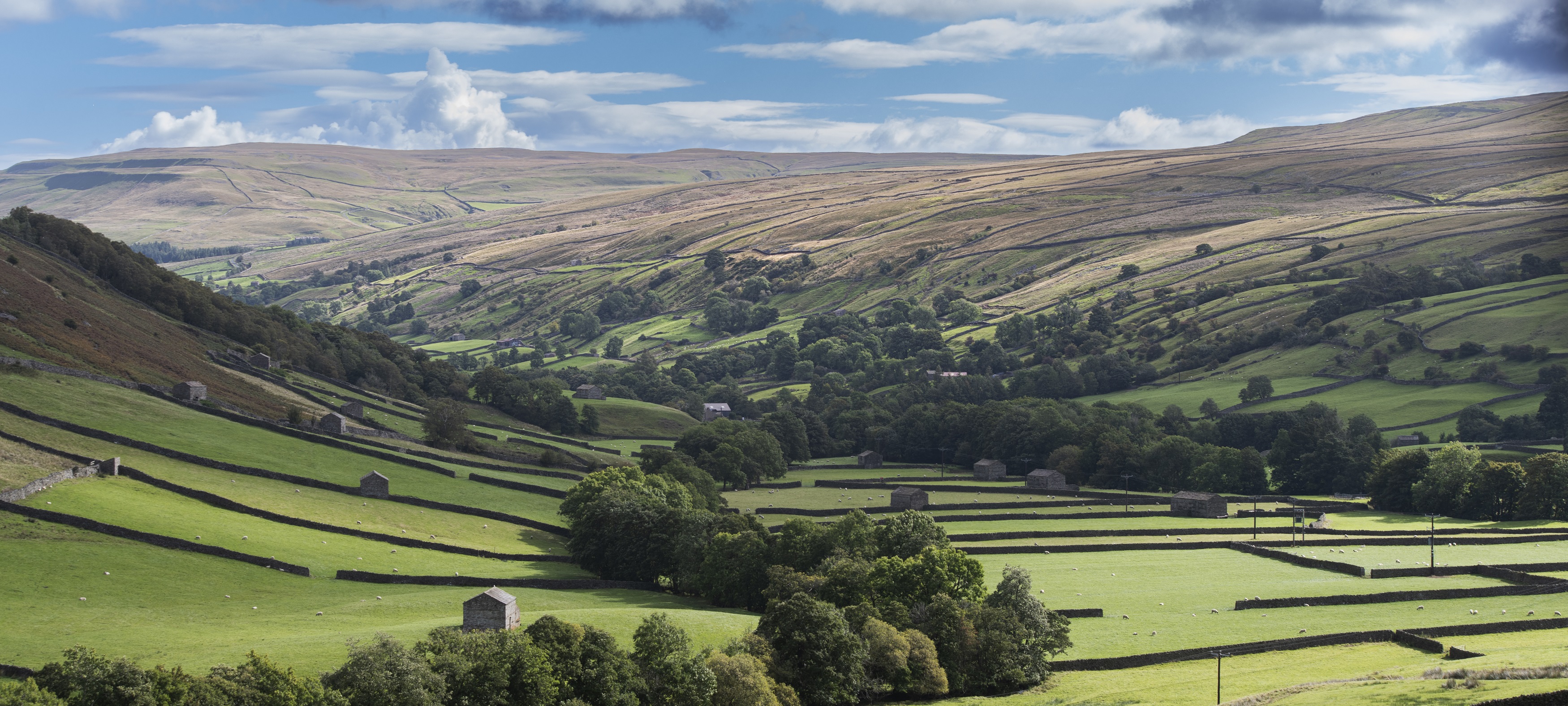
The vast landscapes and environment of North Yorkshire are due to be given help to recover through a new strategy aimed at halting the decline of habitats and promoting nature for generations to come.
The Local Nature Recovery Strategy has today (20 January) been agreed by members of our executive.
Every county or combined authority area in England is required to produce a Local Nature Recovery Strategy to address the decline of nature and to improve the environment and protect it for the future.
This strategy identifies priorities for nature recovery, such as increasing woodland cover or creating wetlands, maps the most valuable existing areas for nature, and documents specific proposals for creating and improving habitat for nature and wider environmental goals.
Executive member for managing our environment, Cllr Richard Foster, said: “The Local Nature Recovery Strategy for North Yorkshire and York maps nature in our region and identifies actions to help safeguard it for the future.
“The strategy identifies priorities for North Yorkshire and York to not only help reverse the decline of nature but allow it to flourish for future generations and create a network of nature-rich sites that are bigger, better managed and more joined-up across the county and across the country.”
North Yorkshire and York supports an amazing diversity of landscapes and wildlife, from ancient woodland and chalk hills to large expanses of open moorland and beautiful historic parklands.
The county is also home to five protected landscapes, including two National Parks covering the Yorkshire Dales and the North York Moors, and each has internationally important habitats and landscapes.
Collectively, habitats and landscapes across the area can help to tackle climate change by capturing carbon from the atmosphere, providing protection from natural hazards such as flooding, while also helping to boost people’s physical and mental health and keeping active, attracting visitors and providing a source of employment.
As both ourselves, who are the lead authority for the strategy, and City of York Council share a common landscape and river network, the Government has asked both authorities to work together, in partnership with other organisations with a keen interest in nature recovery, to produce the plan for North Yorkshire and York.
City of York Council’s joint executive member for environment and climate emergency, Cllr Jenny Kent, said: “Adopting the Local Nature Recovery Strategy is a great opportunity for a true partnership effort - York and North Yorkshire working together to safeguard our natural spaces and wildlife.
“Climate change and the global loss of biodiversity are at critical tipping points, and creating diverse, healthy green spaces and waterways is vital for us all to thrive. Implementing this strategy is an important step forwards for a liveable future, protecting nature for our children, grandchildren and beyond.”
Preparation of the strategy has been led by the council and supported by a number of partners and stakeholders. This feedback has been invaluable in establishing the strategy’s 39 priorities, which are spread across the 'habitat' or land use categories of farmland, upland, grassland, woodland, water and wetlands, urban and coast.
Each priority has a number of associated measures, which are the practical 'on the ground' actions that would help to deliver the aims of the priority. North Yorkshire and York also have a significant number of rare and threatened species that will, to some degree, benefit from habitat improvement measures.
The deputy director for Natural England in Yorkshire, Paul Duncan, said: "Natural England is delighted to support North Yorkshire and York's Local Nature Recovery Strategy.
“This evidence-based framework sets clear, shared priorities for habitat restoration and creation, guiding the landscape-scale action needed to reverse nature's decline.
“This approach serves as an example of the partnership working required to address the biodiversity and climate crises. We look forward to working with North Yorkshire and York and partners to turn this strategy into real action, creating bigger, better and more connected habitats where wildlife and people can thrive."
Following the approval of the strategy by the council’s executive, it will now be shared with the Department for Environment, Food and Rural Affairs, before being published and then moving towards its delivery.
Read the Local Nature Recovery Strategy for North Yorkshire and York.